


Bladder cancer is a type of cancer that starts in the bladder, an important organ in your body. The bladder is like a storage pouch for urine.
It’s found in your lower abdomen, and its job is to hold pee until you’re ready to go to the bathroom. Bladder cancer can be serious, but catching it early often makes it easier to treat.
This guide will walk you through what bladder cancer is, the common symptoms, how it’s diagnosed, and the role ultrasound plays in spotting and monitoring the condition.
Common Symptoms and Risk Factors
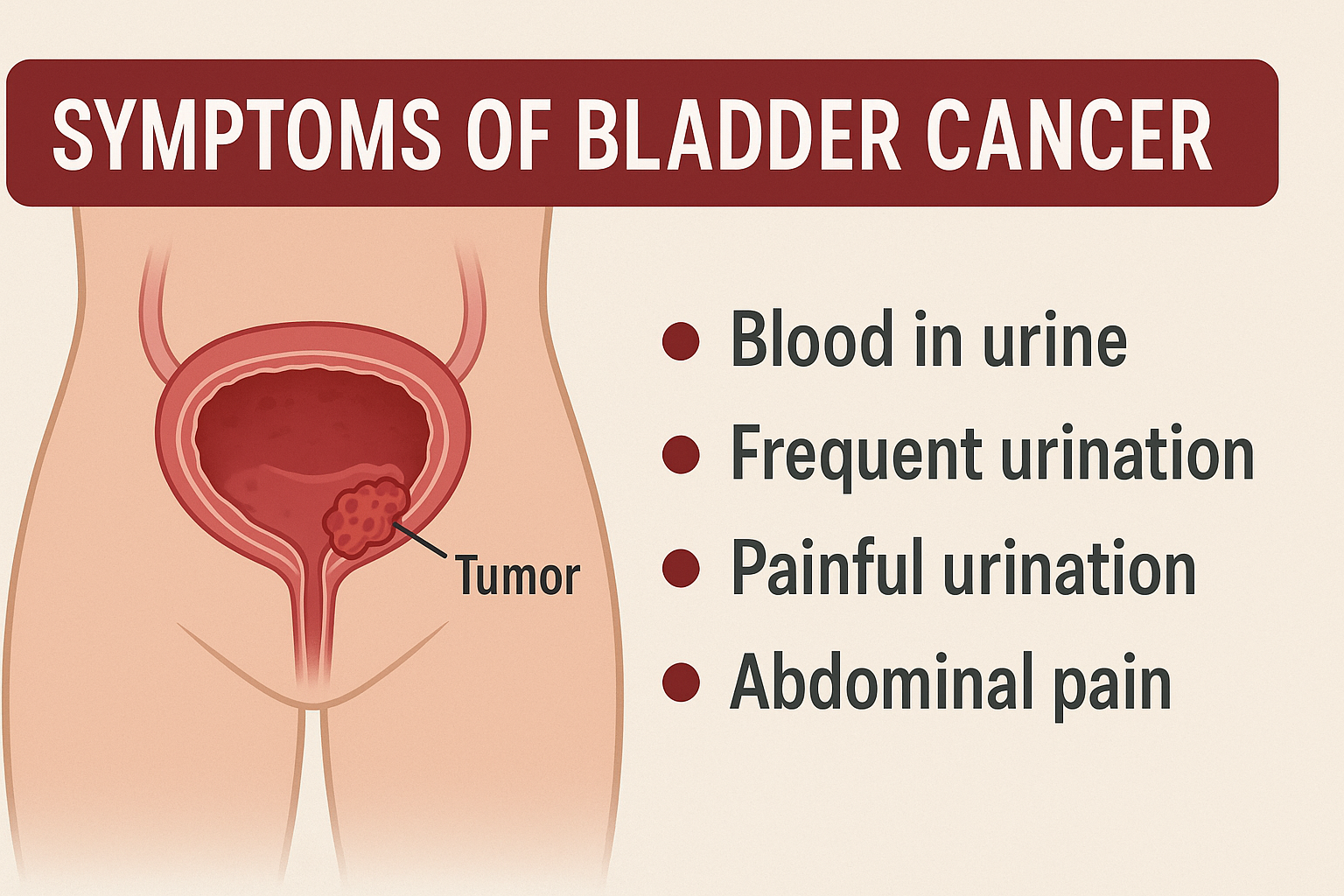
→ Symptoms of Bladder Cancer
Most people with bladder cancer will notice blood in their urine at some point. This is called hematuria. Sometimes, you can see blood in the urine (it may look pink, red, or brown), but other times, blood can only be detected with a lab test. Importantly, this is usually painless.
Other symptoms to watch out for include:
-
- Feeling like you need to pee often, even when there’s not much in your bladder.
- Pain or burning when you urinate.
- Lower abdominal discomfort or pressure.
- Difficulty urinating or a weak urine stream.
These symptoms don’t always mean bladder cancer. Less serious issues like infections can also cause them, so it’s important to see a doctor if you notice them.
→ Risk Factors for Bladder Cancer
Certain things can make a person more likely to develop bladder cancer:
-
- Smoking: Cigarette smoking is one of the biggest risks. Harmful chemicals from the smoke can enter your blood, filter into your urine, and damage your bladder.
- Exposure to chemicals: People who work with dyes, rubber, leather, or in certain manufacturing jobs may be exposed to substances linked to bladder cancer.
- Chronic bladder problems: Long-term issues like frequent bladder infections or using a catheter for a long time can raise your risk.
- Age and sex: Bladder cancer is more common in older adults, especially men.
- Family history: If a close relative has had bladder cancer, your risk may be higher.
Diagnostic Tools for Bladder Cancer
If your doctor thinks you might have bladder cancer, they’ll use different tests and tools to confirm it and figure out how advanced it is.
These tests help decide the best course of treatment.
→ Overview of Imaging Techniques
Imaging is like taking pictures of the inside of your body. These pictures give doctors a clear look at your bladder and nearby organs. Here are the common imaging methods:
-
- CT Scan – A CT scan is a type of advanced X-ray. It takes many pictures from different angles and combines them into a detailed, 3D view of your bladder and the surrounding area. A CT scan helps doctors see the size and location of a tumor and whether the cancer has spread to other organs or lymph nodes.
-
- MRI – An MRI produces highly detailed images using magnetic waves instead of X-rays. It’s great for showing how deep bladder cancer has grown into the bladder wall and for looking at nearby organs. While MRIs are more detailed, they take longer than CT scans and require you to stay very still.
-
- Cystoscopy – It is a procedure where a doctor uses a small tube with a camera (a cystoscope) to look inside your bladder. This is typically done under local anesthesia, meaning the area will be numbed to make the procedure more comfortable. During cystoscopy, if your doctor sees anything that looks suspicious, they can take a small sample of tissue (a biopsy) for testing.
If you’re experiencing symptoms or have concerns about bladder health, don’t wait. Early diagnosis can make a significant difference.
Schedule a consultation with a Cancer Specialist in Pune to get the right diagnostic tests and expert guidance. Whether it’s a CT scan, MRI, or cystoscopy, a specialist can help you understand your condition and discuss the best treatment options tailored to you.

The Role of Ultrasound in Diagnosis
Ultrasound is another method doctors use to visualise bladders. Instead of using X-rays or magnets, it uses sound waves to create an image of the bladder.
Ultrasound is safe, painless, and doesn’t involve radiation, making it a good option for many patients.
How Ultrasound Works for Bladder Imaging?
Ultrasound works by sending sound waves into your body and capturing the echoes that bounce back. These echoes create an image of your bladder and surrounding tissues on a screen.
→ Types of Ultrasound Used
There are a few ways doctors might use ultrasound to look at your bladder:
-
Transabdominal Ultrasound
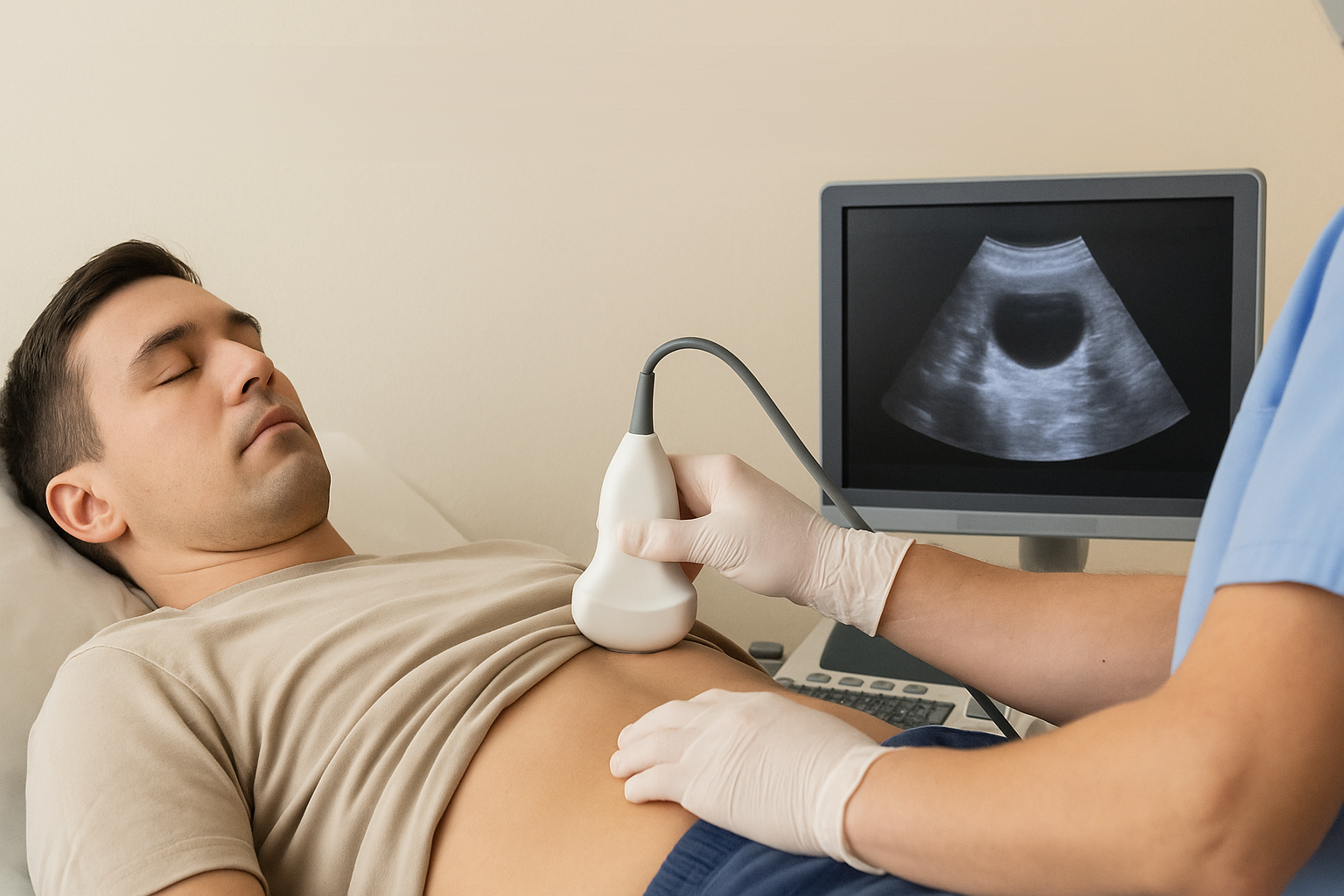
This is the most common type of ultrasound for examining the bladder. The doctor or technician moves a small device called a transducer over your belly. The transducer sends sound waves into your body and captures the echoes to create a picture.
-
Transrectal or Transvaginal Ultrasound
Sometimes, a closer look at the bladder is needed. For men, a transrectal ultrasound might be done, where the device is inserted gently into the rectum.
For women, a transvaginal ultrasound might be used, where the transducer is inserted into the vagina. These methods can provide clearer images of specific areas when needed.
What to Expect During a Bladder Ultrasound?
Getting a bladder ultrasound is simple and painless. Before the test, you might be asked to drink water so your bladder is full. A full bladder helps give a clearer image.
During the test:
-
-
- You’ll lie down on an exam table.
- A technician will apply some gel to your skin to help the transducer move smoothly.
- The transducer will be gently glided over your belly (or inserted in specific cases like transrectal or transvaginal ultrasounds).
- The images will appear on a screen in real time.
-
The entire process usually takes about 20–30 minutes.
Can Ultrasound Accurately Detect Bladder Cancer?
Ultrasound does a good job of spotting issues in the bladder, but like other tools, it has its limits.
→ Sensitivity and Limitations
Ultrasound can effectively detect larger tumors or those that cause noticeable changes in the bladder, but it might miss smaller, flat growths.
This makes it less reliable as the only test for bladder cancer. Procedures like cystoscopy or CT scans can find things that ultrasound might not catch.
→ Cases Where Ultrasound Is Most Useful
-
- Monitoring patients after bladder cancer treatment to check for recurrence.
- Assessing the size or position of known tumors.
- People who can’t undergo other imaging tests like CT scans due to health conditions or allergy to contrast dye.
For timely care and the best bladder cancer treatment in Pune, consulting a specialist ensures accurate diagnosis and effective management.
When Is Ultrasound Recommended for Bladder Cancer Screening?
Ultrasound isn’t typically the first choice for early detection of bladder cancer, but it plays an important role in certain situations.
High-Risk Patients
People at higher risk, such as smokers or those exposed to harmful chemicals, may have an ultrasound as part of their health check-up. It’s a quick, non-invasive way to look for signs of problems.
Follow-Up or Monitoring After Treatment
Patients who’ve had bladder cancer in the past often get regular ultrasounds to monitor for any recurrence or to check how their bladder is healing after treatment.
→ Comparing Ultrasound to Other Diagnostic Methods
When deciding which diagnostic tool to use, doctors consider things like accuracy, cost, and accessibility.
Accuracy Compared to Cystoscopy
Cystoscopy is the most accurate tool for detecting bladder cancer and is considered the gold standard. It allows direct visualization and tissue sampling, which ultrasound cannot provide. Ultrasound, however, is a great starting point or additional test for simpler cases.
Cost-Effectiveness and Accessibility
Compared to CT or MRI scans, ultrasounds are much cheaper and available in most clinics and hospitals. This makes it a helpful option when advanced imaging isn’t available or needed.
FAQs on Lung Cancer Treatment Costs in India
1. Can bladder cancer be found during a routine ultrasound for another issue?
Yes, sometimes bladder cancer is discovered accidentally during an ultrasound done for other reasons, like checking kidney stones or prostate health. If something unusual is seen in the bladder area, the doctor may recommend further testing.
2. Is a full bladder necessary for all types of bladder ultrasound exams?
A full bladder is typically needed for transabdominal ultrasounds because it helps create a clearer image. However, for transrectal or transvaginal ultrasounds, a full bladder may not be required since the probe is closer to the bladder.
3. Can ultrasound detect bladder cancer in its early stages?
Ultrasound is less effective at spotting early-stage or flat tumors, such as carcinoma in situ. These types of growths are often missed because they don’t significantly alter the bladder’s structure or thickness.
4. Are there any risks or side effects of having a bladder ultrasound?
No, bladder ultrasounds are considered very safe. They don’t use radiation, and there are typically no side effects. Some people may feel mild discomfort from a full bladder or during internal ultrasound methods, but this is temporary.
5. How often should someone at high risk of bladder cancer get an ultrasound?
There’s no universal schedule, but high-risk individuals may undergo imaging once a year or as recommended by their urologist. The frequency depends on factors like age, smoking history, occupational exposure, and any past history of bladder issues.
Final Thoughts
When it comes to bladder cancer, early detection and regular monitoring are key to better outcomes. Different diagnostic tools, including ultrasound, play important roles based on your situation.
→ Should You Rely Solely on Ultrasound?
Ultrasounds are useful but might not catch everything, especially in early stages of bladder cancer. Your doctor will likely recommend other tests, like cystoscopy, for a complete evaluation.
→ Discussing Options With Your Doctor
If you’ve been noticing symptoms like blood in your urine or have risk factors for bladder cancer, talk to Cancer Specialist in Pune. They’ll help you figure out the right tests and create a plan tailored to your needs.
Remember, taking action at the right time can make a big difference in your health. Stay informed and proactive!
If you have any further queries, please write to us.

When Is Surgery the Best Treatment for Cancer?
Cancer surgery involves removing the tumour and nearby affected tissue from the body. The main goal is to eliminate cancer completely and prevent it from spreading.

Sphincter-preserving surgeries for rectal cancer
Yes, PCOS raises endometrial cancer risk due to hormonal imbalance. Learn warning signs, prevention, and expert guidance from a cancer specialist in Pune.

Does PCOS increases endometrial cancer risk?
Yes, PCOS raises endometrial cancer risk due to hormonal imbalance. Learn warning signs, prevention, and expert guidance from a cancer specialist in Pune.