
Endometrial Cancer Treatment in Pune
Endometrial Cancer Treatment in Pune — Dr. Chirag Bhirud
Endometrial cancer is one of the most common gynaecological cancers affecting women in India — and when detected early, it is highly treatable. Dr. Chirag Bhirud is a trusted Endometrial Cancer Specialist in Pune with 11+ years of experience in advanced gynaecological cancer surgery. He specialises in Robotic Hysterectomy, Laparoscopic Hysterectomy, and fertility-preserving surgical treatments for endometrial and uterine cancer. As a Cancer Specialist in Pune, Dr. Chirag Bhirud has treated over 10,000 cancer patients across Pune, PCMC, and Maharashtra with a 95% success rate. He practises at Jupiter Hospital, Baner, Pune and his Cancer Care Clinic in Pimple Saudagar, Pimpri-Chinchwad. If you or a loved one is looking for expert Endometrial Cancer Treatment in Pune, Dr. Chirag Bhirud is here to help with personalised, compassionate, and evidence-based care.
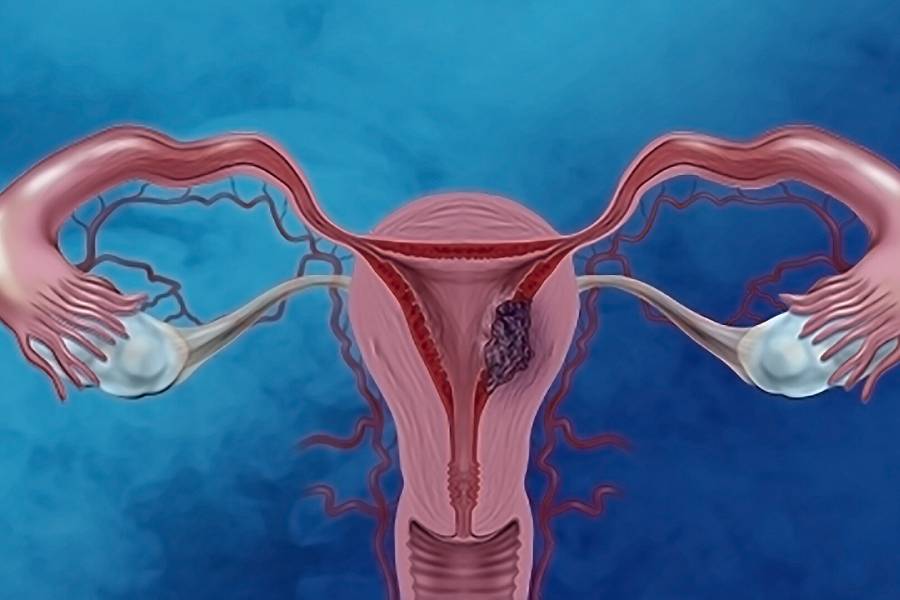
What Is Endometrial Cancer?
Endometrial cancer is a type of cancer that begins in the lining of the uterus, called the endometrium. It is one of the most common gynaecological cancers and is most often seen in women after menopause. The disease usually develops slowly, and symptoms like abnormal vaginal bleeding can help detect it early. With timely diagnosis and the right treatment, endometrial cancer can often be treated successfully.
Types of Endometrial Cancer
- Endometrioid Adenocarcinoma: This is the most common type of endometrial cancer, accounting for nearly 80–90% of cases. It usually grows slowly and is often diagnosed at an early stage.
- Serous Carcinoma: A less common but more aggressive type that can spread quickly. It requires prompt diagnosis and specialised treatment.
- Clear Cell Carcinoma: This is a rare and aggressive form of endometrial cancer. It has a higher risk of spreading beyond the uterus.
- Carcinosarcoma (Malignant Mixed Müllerian Tumour): A rare cancer that contains both carcinoma and sarcoma cells. It is usually treated with a combination of surgery and additional therapies.
- Undifferentiated and Other Rare Types: These uncommon types tend to grow rapidly and require an individualised treatment plan based on the stage and tumour characteristics.
Stages of Endometrial Cancer
The stage of endometrial cancer shows how far the cancer has spread. Knowing the stage helps doctors choose the most suitable treatment and estimate the likely outcome.
- Stage I: The cancer is limited to the uterus and has not spread outside it. Surgery is usually the main treatment, and the chances of successful recovery are high.
- Stage II: The cancer has grown from the uterus into the cervix but has not spread beyond the uterus. Treatment may include surgery followed by radiation therapy, depending on the case.
- Stage III: The cancer has spread to nearby tissues, lymph nodes, ovaries, or the vagina but not to distant organs. Treatment often includes surgery along with chemotherapy and/or radiation therapy.
- Stage IV: The cancer has spread to organs such as the bladder, bowel, lungs, liver, or other distant parts of the body. Treatment focuses on controlling the disease and improving quality of life using surgery, chemotherapy, targeted therapy, immunotherapy, or radiation therapy.
Symptoms of Endometrial Cancer
The most common symptom of endometrial cancer is abnormal vaginal bleeding.
Watch for:
- Bleeding after menopause: Any vaginal bleeding that occurs a year or more after your last period is abnormal and should be evaluated immediately.
- Spotting between periods: Light bleeding or brownish discharge between menstrual cycles can be an early sign of endometrial changes.
- Heavy or prolonged periods: Menstrual bleeding that is unusually heavy, lasts longer than usual, or occurs more frequently than every 21 days may indicate a problem.
- Pelvic pain or pressure: Persistent lower abdominal pain or a feeling of fullness in the pelvis can suggest uterine abnormalities, including cancer.
- Pain during intercourse: Discomfort or pain during sex may result from changes in the uterine lining or inflammation, and should not be ignored.
- Unusual vaginal discharge: Watery, pink, or foul-smelling discharge — especially after menopause — can be a warning sign of endometrial cancer.
If you’re postmenopausal and notice any bleeding — even a little — please don’t ignore it. It may not always be cancer, but it must be evaluated.
Risk Factors of Endometrial Cancer
Endometrial cancer often arises due to hormonal imbalances, particularly with excess estrogen. Knowing the risk factors allows women to take preventative or proactive measures.
Key Risk Factors Include:
- Age: Women over 50 are at a higher risk of developing endometrial cancer, as the likelihood increases with age, particularly after menopause.
- Obesity or Being Overweight: Excess body fat raises estrogen levels in the body, which can disrupt the hormonal balance and increase the risk of cancer in the lining of the uterus. Maintaining a healthy weight can significantly reduce this risk.
- Diabetes or High Blood Pressure: Chronic conditions like diabetes or high blood pressure are associated with an increased risk of endometrial cancer, possibly due to their connection with metabolic imbalances.
- Early Menstruation or Late Menopause: Starting menstruation before age 12 or entering menopause later increases the total years of exposure to estrogen, heightening the risk of developing cancer in the uterine lining.
- Never Being Pregnant: Women who have never experienced pregnancy are more exposed to consistent estrogen levels throughout their lives, unlike during pregnancy when estrogen levels fluctuate.
- Estrogen-Only Hormone Therapy: Using estrogen-only hormone replacement therapy (HRT), particularly after menopause, can increase the risk if not balanced with progesterone.
- Family History: A family history of endometrial or colon cancer may indicate a genetic predisposition, putting you at a higher risk of developing the disease.
- Genetic Factors: Inherited conditions like Lynch syndrome significantly increase the likelihood of endometrial cancer, along with other types of cancer, due to inherited gene mutations. Genetic counseling and testing may be helpful for women with a family history.
As an experienced Gynecological Cancer Surgeon in Pune, Dr. Chirag Bhirud also help women understand their genetic risk and offer screenings when needed.
Diagnosis of Endometrial Cancer
Early diagnosis makes a huge difference in outcomes. If symptoms suggest endometrial cancer, Dr. Chirag Bhirud may recommend:
- Pelvic Examination: This is an initial physical exam where a healthcare provider checks for any visible or palpable abnormalities in the pelvic area, such as unusual swelling or tenderness, which may indicate potential concerns.
- Transvaginal Ultrasound: This imaging test involves inserting a small ultrasound probe into the vagina to get a detailed view of the uterus and surrounding structures. It is particularly useful for assessing the thickness of the endometrium (uterine lining). A thickened or irregular endometrium might suggest conditions such as polyps, fibroids, or even more serious issues that require further investigation.
- Endometrial Biopsy: During this procedure, a small sample of tissue is taken from the uterine lining. This tissue is then sent to a lab for analysis to detect any abnormalities, such as hyperplasia (overgrowth of cells) or cancerous changes. It is a key diagnostic step when abnormal uterine bleeding or other symptoms are present.
- Hysteroscopy: In this procedure, a thin, flexible camera (hysteroscope) is inserted through the cervix into the uterus, allowing the doctor to visually inspect the inside of the uterine cavity. This approach can help identify polyps, fibroids, or other structural issues that might not be detected through other methods.
- Dilation and Curettage (D&C): When a biopsy alone doesn’t provide enough clear information, a D&C may be performed. This involves dilating the cervix and gently scraping or suctioning tissue from the lining of the uterus. It provides a larger sample for analysis and can also help remove abnormal tissue.
- Imaging Scans (MRI/CT): If there are concerns about more complex conditions, such as the possibility of cancer spreading to other areas, advanced imaging scans like MRI or CT may be recommended. These scans provide detailed images of the uterus and surrounding tissues, aiding in diagnosis and treatment planning.
Options For Endometrial Cancer Treatment in Pune By Dr. Chirag Bhirud
The choice of treatment depends on the stage of cancer, the patient’s age, overall health, and future pregnancy plans. As an experienced Endometrial Cancer Surgeon in Pune, Dr. Chirag Bhirud provides personalised treatment plans using advanced surgical techniques and evidence-based cancer care. He also offers comprehensive Uterine Cancer Treatment in Pune for women diagnosed with endometrial cancer.
Surgical Treatment
Surgery is the primary treatment for most patients with endometrial cancer.
- Total Hysterectomy: Removal of the uterus and cervix to completely remove the cancer.
- Laparoscopic Hysterectomy in Pune: A minimally invasive procedure performed through small incisions, resulting in less pain, minimal blood loss, and faster recovery.
- Robotic Hysterectomy in Pune: An advanced robotic-assisted surgery that provides greater precision, better surgical outcomes, and quicker recovery.
- Bilateral Salpingo-Oophorectomy (BSO): Removal of both ovaries and fallopian tubes to reduce the risk of cancer spread.
- Pelvic and Para-aortic Lymph Node Assessment: Performed to determine whether the cancer has spread to nearby lymph nodes.
- Fertility Sparing Endometrial Cancer Treatment: Selected women with very early-stage cancer who wish to preserve fertility may be treated with hormone therapy under close medical supervision instead of immediate surgery.
Non-Surgical Treatment
Depending on the stage and type of endometrial cancer, Dr. Chirag Bhirud may recommend one or more of the following treatments:
- Radiation Therapy
- Chemotherapy
- Hormone Therapy
- Targeted Therapy
- Immunotherapy
- Palliative Care (for advanced stages when required)
Endometrial Cancer Survival Rate in India
The survival rate for endometrial cancer depends on the stage at diagnosis. Early-stage endometrial cancer has excellent outcomes.
Endometrial cancer detected at Stage 1 has a cure rate of over 75% to 90% with proper surgical treatment. Dr. Chirag Bhirud has achieved a 95% success rate in gynaecological cancer surgeries at Jupiter Hospital, Baner, Pune. His expertise in Robotic Hysterectomy and minimally invasive surgical techniques ensures the best possible outcomes for every patient.
Cost of Endometrial Cancer Treatment in Pune
The cost of endometrial cancer treatment in Pune depends on the stage of cancer, type of surgery, and additional therapies required.
Approximate costs:
- Laparoscopic Hysterectomy — ₹1,00,000 to ₹2,50,000
- Robotic Hysterectomy — ₹2,50,000 to ₹4,50,000
- Open Hysterectomy — ₹80,000 to ₹2,00,000
- Radiation Therapy (Brachytherapy) — ₹50,000 to ₹1,50,000
- Chemotherapy (per cycle) — ₹15,000 to ₹60,000
- Hormonal Therapy (per month) — ₹3,000 to ₹15,000
Note: These are approximate figures. Actual costs vary based on individual cases, hospital charges, and treatment duration.
Why Choose Dr. Chirag Bhirud – Endometrial Cancer Surgeon in Pune
Choosing the right cancer specialist can make a significant difference in treatment outcomes. Here is why patients from Pune, PCMC, and across Maharashtra trust Dr. Chirag Bhirud:
- Experienced Endometrial Cancer Specialist in Pune with over 11+ years of expertise in treating gynaecological cancers.
- Trusted Uterine Cancer Surgeon in Pune offering personalised treatment plans for every patient.
- Expertise in advanced laparoscopic and robotic cancer surgeries for better precision and faster recovery.
- Comprehensive care from accurate diagnosis to surgery, chemotherapy guidance, and long-term follow-up.
- Patient-centred approach with clear communication and compassionate support throughout the treatment journey.
- Practising at Jupiter Hospital, Baner, Pune, with access to advanced technology and modern cancer care.
- More than 10,000 patients treated with a strong focus on safety, quality, and successful outcomes.
- Nationally recognised Surgical Oncologist with multiple awards, research publications, and presentations in leading oncology conferences.
Prevention Tips By Dr. Chirag Bhirud
Although not all cases are preventable, simple lifestyle modifications can lower your risk:
- Maintain a healthy weight by focusing on a balanced diet and regular exercise, as obesity can increase the risk of endometrial cancer.
- Manage diabetes and high blood pressure effectively through medication, lifestyle changes, and routine checkups to reduce overall health risks.
- Discuss the potential risks and benefits with your doctor before starting hormone replacement therapy, as it may influence your risk of certain cancers.
- Treat abnormal bleeding promptly by consulting a healthcare provider, as it can be an early sign of endometrial issues that require attention.
- Consider using birth control pills after discussing with your doctor, as long-term use has been shown to lower the risk of endometrial cancer in some individuals.
- Stay consistent with pelvic checkups and screenings, particularly if you have a family history of gynecological cancers, to catch any issues early and maintain peace of mind.
Book an Appointment with Dr. Chirag Bhirud
If you are experiencing symptoms such as abnormal vaginal bleeding, pelvic pain, or have been diagnosed with endometrial cancer, do not delay treatment. Book an Appointment with Dr. Chirag Bhirud, a trusted Endometrial Cancer Surgeon in Pune, for expert diagnosis and personalised cancer care. He provides advanced surgical and non-surgical treatment at Jupiter Hospital, Baner, Pune. Call 7028373574 today to schedule your consultation.
Frequently Asked Questions
Yes, endometrial cancer can recur — most commonly within the first 3 years after treatment. Recurrence can be local — near the original site — or distant — in organs like the lungs or liver. Regular follow-up appointments, pelvic examinations, and imaging scans are essential after treatment. Dr. Chirag Bhirud creates a personalised post-treatment monitoring plan for every patient at Jupiter Hospital, Baner, Pune. If recurrence is detected early, it can often be treated successfully with surgery, radiation, or targeted therapy.
Not always — but it must never be ignored. Any vaginal bleeding after menopause is abnormal and should be evaluated immediately. While it can be caused by non-cancerous conditions like polyps or hormonal changes, it is also the most common early symptom of endometrial cancer. Dr. Chirag Bhirud — a trusted Endometrial Cancer Specialist in Pune — strongly advises every postmenopausal woman experiencing bleeding to seek consultation without delay. Early detection at this stage leads to the best treatment outcomes.
Yes. Most women diagnosed in the early stages are completely cured with surgery and, if needed, additional therapy.
In most cases, yes. However, fertility-sparing treatment may be possible in very early-stage disease for young women.
Most women return to normal activities within 4–6 weeks. Minimally invasive or robotic surgery may allow faster recovery.
Yes. With proper treatment and regular checkups, many women go on to live long, healthy lives.
EXCELLENT Based on 90 reviews
 Posted on Google
 monika dangore25/09/2026We would like to thank you for the care and guidance provided during my mother’s treatment, including the TLH + BSO + PLND surgery. We truly appreciate your expertise, patience, and support throughout the treatment and recovery process. She is recovering well, and we are grateful for the care she received from you and your entire team.Posted on Google
 shubhada urankar01/09/2026Really great experience with Dr. Chirag Bhirud. He was patient, reassuring, and kept things straightforward. Explained the treatment plan in detail. No rushing, no unnecessary tests, just clear advice that helped us make the right medical decisions with complete confidence.Posted on Google
 Yakub Patel17/08/2026Chirag Sir is best onco surgeon in Pune I must say! He is very polite, supportive & super smart. He supported me in whole tongue cancer treatment journey. Surgery was very successful & later followup was very effective. Now I am out of danger just because of time to time guidance & support from Chirag Sir. I am glad that me & my family chosen him for my treatment 😊Posted on Google
 Sumit Patil19/07/2026There are no words to truly express our gratitude to Dr. Chirag Sir for the exceptional care he provided during my mother’s breast cancer surgery. This was one of the most difficult phases of our lives, but from our very first meeting, he gave us hope, confidence, and reassurance. He explained every step of the treatment and surgery with remarkable patience and clarity, ensuring that our entire family understood the process. His calm and compassionate approach made us feel that my mother was in the safest hands. What makes Dr. Chirag Sir truly special is not only his expertise as an onco surgeon but also his kindness and dedication. He was always available whenever we needed guidance, no matter the time, and answered every question with patience and genuine care. Throughout the treatment and every follow-up visit, he personally checked on my mother’s recovery and continuously motivated and encouraged us. We never felt like just another patient. He treated us like family, and that personal care meant everything to us during such an emotional journey. Dr. Chirag Sir is an outstanding breast cancer surgeon, an exceptional doctor, and above all, an incredible human being. We are forever thankful for his support, compassion, and the successful surgery he performed for my mother. I wholeheartedly recommend Dr. Chirag Sir at Jeevan Jyoti Hospital, Pune, to anyone looking for the highest level of cancer care. Thank you, Sir, for giving my mother a new beginning and for standing by our family every step of the way. We will always be grateful.Posted on Google
 Vetriselvam Chockiah30/06/2026I was extremely pleased with the consultation of Dr. Chirag for my mother, He quickly diagnosed the condition and recommended immediate surgery. The procedure went smoothly and my mother is now recovering well Dr. Chirag and his team provide personalized attention to every patient and their care and support significantly aid in the healing process.Posted on Google
 neeta lawadkar25/06/2026Dr. Chirag bhirud is the best oncologist in Pune. He give his personal attention to the patient, I'm one of his patient and the way he supported me in my tough time was incredible. His positivity gave me the confidence and make me feel better.Posted on Google
 Prashant Lawadkar10/06/2026Dr. Chirag sir recently did my wife's ovarian cancer surgery. It was a very difficult time for us, but Chirag sir explained everything about surgery with kindness and clarity and gave us confidence before and after surgery. Chirag sir is very much supportive and gives proper guidance at every step. Whenever you call he is always available, there is no time limit. I called him even at night at 11 o'clock and he solved my query. He always gives personal attention to the patient. After surgery, during every follow-up visit, he built the confidence in us. I felt like a valued, family member. Actually words are not enough to express my gratitude about Chirag sir. I highly recommend his smartness, knowledge care and dedication. He is not only a good onco surgeon but also a very very good human being. I must say that, we are so blessed to have such an amazing, care taking knowledgeable, highly skilled, supportive doctor and very good human being in our life." Again I highly recommend Dr. Chirag sir, in Jupiter hospital PunePosted on Google
 Sharayu Chavan13/05/2026Dr Chirag bhirud is one of the best oncologist working in Jupiter hospital Baner. Recently my father was operated by him. He is very kind supportive and calm doctor. Chirag sir always listen our concerns , doubts and thoroughly explain the treatment methods and all the things. His approach for his patients is incredible. Even though he is so busy person but still he responded to our every call and message which is really help me a lot. Thank you very much sir for your help and support.
WhatsApp us