- 28/08/2025
- Dr. Chirag Bhirud
- 0 Comments
- 7 Views
- 0 Likes
- Blog
Is Colon Cancer Curable at Stage 1
As a practicing doctor, I know how frightening a cancer diagnosis can be—even at the earliest stage. One of the first questions patients ask me is, “If it’s stage 1, does that mean it’s curable?”
Let me be very honest and clear right from the start: Yes, colon cancer is highly curable at stage 1. In fact, early detection offers one of the best chances for complete recovery, often with minimal treatment.
Let’s walk through everything you need to know about stage 1 colon cancer—how it’s diagnosed, what the treatment involves, what recovery looks like, and how you can take charge of your health today.
What Is Stage 1 Colon Cancer?
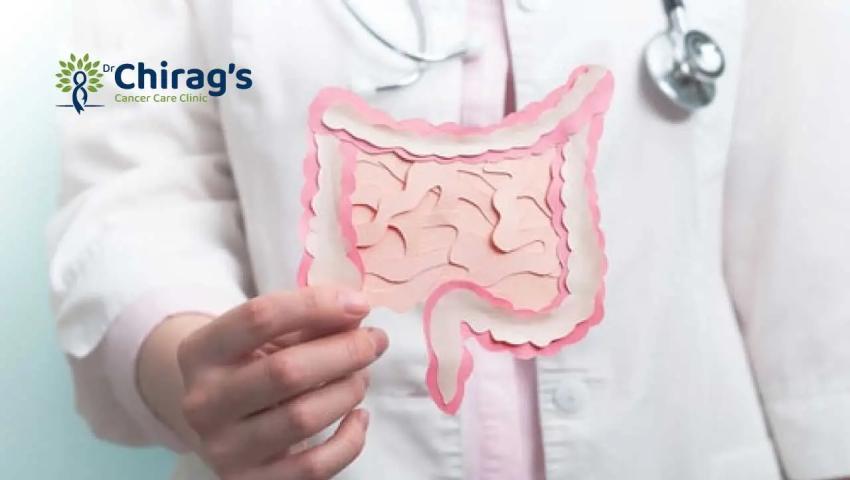
Colon cancer, or colorectal cancer, develops in the large intestine or rectum. It often begins as small, benign growths called polyps, which can gradually turn cancerous over time if not removed.
Stage 1 colon cancer is considered an early-stage cancer, meaning the tumor has grown into the inner layers of the colon wall (the submucosa or muscularis propria) but hasn’t spread beyond it. Most importantly, it has not yet reached the lymph nodes or distant organs—a crucial factor for high survival rates.
This is why screening tools like colonoscopy are so vital. In Pune, many patients undergoing routine colonoscopy at the best cancer care clinic in Pune are diagnosed with early-stage colon cancer without even knowing they had symptoms.
Is It Really Curable at This Stage?

How Is Stage 1 Colon Cancer Diagnosed?
- Colonoscopy – The most effective method for detecting and removing polyps before they turn cancerous. It also allows for biopsy if something suspicious is found.
- Imaging tests – CT scans or MRIs may be used to confirm staging.
- Blood tests – Including markers like CEA (carcinoembryonic antigen), though not always elevated in early stages. If you’re based in Pune and considering screening, there are several hospitals and clinics offering colonoscopy screening in Pune—many of which are affiliated with expert oncology teams.
What Does Treatment Look Like for Stage 1?
- Polypectomy – If the cancer is confined to a polyp, it can be completely removed during colonoscopy.
- Local excision – Involves removing the cancer and a small margin of healthy tissue
- Segmental colectomy – Removal of the part of the colon containing the tumor, along with nearby lymph nodes. No chemotherapy is typically needed unless the surgical findings reveal unexpected risks. This is why early diagnosis is so important—it often limits the treatment needed.
What’s Recovery Like After Treatment?
For most patients, recovery from early-stage colon cancer surgery is smooth. If done laparoscopically, hospital stays are shorter, and patients can return to regular activity within a few weeks.
Follow-up includes:
- Regular check-ups and surveillance colonoscopies
- Monitoring of tumor markers (if applicable)
- Ongoing support through nutritional guidance, lifestyle modification, and emotional counseling
If you’re being treated at a multidisciplinary center—like the best cancer care clinic in Pune—you’ll likely have access to dietitians, physiotherapists, and counselors who specialize in post-cancer recovery.
What Can I Do to Prevent a Recurrence?
The best thing you can do is stay proactive. Even after successful treatment, ongoing monitoring is important.
Here are some prevention tips I share with all my patients:
- Eat a high-fiber diet rich in fruits, vegetables, and whole grains
- Limit red and processed meats
- Avoid smoking and limit alcohol
- Stay physically active
- Maintain a healthy weight
And of course, stick to your follow-up schedule. Even after stage 1 colon cancer is cured, regular check-ups help detect any new issues early.
At some of the top centers for colon cancer diagnosis and treatment in Pune, you’ll be guided through a survivorship plan tailored to your age, genetics, and overall health.
Why Early Screening Saves Lives?
One of the reasons colon cancer remains a serious threat worldwide is because many people delay screening out of fear or misunderstanding. But here’s what I always say:
“A 30-minute colonoscopy could save you from a lifetime of regret.”
The earlier we detect cancer—or even pre-cancerous polyps—the easier it is to treat. And in the case of stage 1 colon cancer, we’re often talking about a complete cure.
So, if you’re over 45 or have any family history of colon or rectal cancer, don’t wait. The sooner you schedule your screening, the better your chances.
Frequently Asked Questions (FAQs):
Recovery can take 2–6 weeks depending on the type of surgery. Minimally invasive procedures often have faster healing times.
Yes, new polyps can form, which is why regular follow-up colonoscopies are essential.
If you have a family history or are diagnosed at a young age, your doctor may recommend testing for hereditary cancer syndromes.
Stage 0 is carcinoma in situ (very early cancer in the innermost lining). Stage 1 means the cancer has grown deeper into the colon wall but hasn’t spread.
Not usually. However, if certain high-risk features are found during surgery, your doctor may consider it on a case-by-case basis.
Final Thoughts :
Colon cancer may sound scary, but it doesn’t have to be a death sentence—especially when caught early. Stage 1 colon cancer is highly treatable and often curable, with minimal long-term impact.
The key is awareness, screening, and trusting your care team. If you’re in Pune and wondering where to start, seek care from a reputed center offering comprehensive cancer care and expert onco surgeons. You deserve treatment that’s not just effective—but also supportive, respectful, and personalized to your needs.