
- 14/07/2026
- Dr. Chirag Bhirud
- Blog
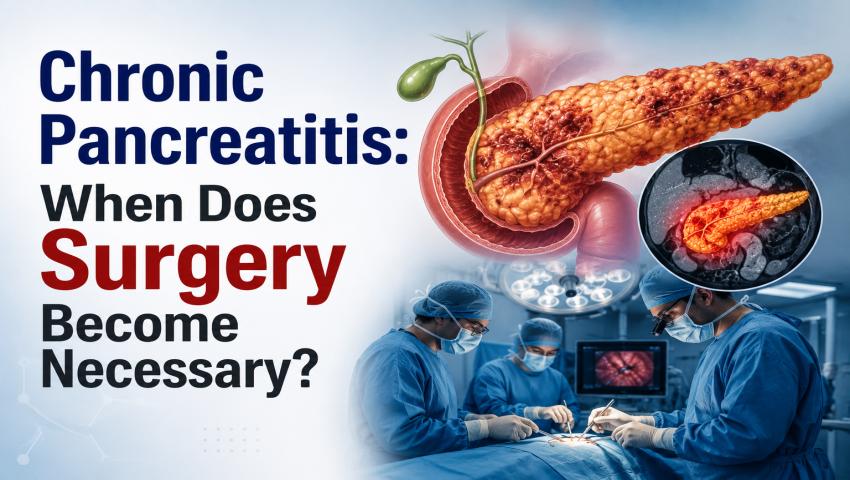
Chronic Pancreatitis: When Does Surgery Become Necessary?
Chronic pancreatitis is a long-term, progressive condition that slowly damages the pancreas. Most people manage it with medicines, diet changes, and lifestyle adjustments. But for some patients, these steps stop working — and surgery becomes the only way to control pain and prevent serious complications.
So, when exactly does chronic pancreatitis need surgery? Dr. Chirag Bhirud, Best Cancer Surgeon in Pune, breaks it down in simple terms — from warning signs to the surgical options available today.
What Is Chronic Pancreatitis?
Chronic pancreatitis is long-lasting inflammation of the pancreas that gets worse over time and causes permanent damage. Unlike acute pancreatitis (which is sudden and short-term), this condition slowly destroys pancreatic tissue, affecting digestion and blood sugar control.
Common causes include:
- Long-term heavy alcohol use
- Gallstones
- Hereditary or genetic factors
- Autoimmune conditions
- Unknown causes (idiopathic pancreatitis)
Signs and Symptoms You Shouldn't Ignore:
The early symptoms of chronic pancreatitis are often mistaken for normal digestive trouble. Watch out for:
- Persistent abdominal pain that spreads to the back
- Unexplained weight loss
- Oily, foul-smelling stools (a sign of poor fat digestion)
- Nausea and vomiting after meals
- New-onset diabetes (from reduced insulin production)
If these symptoms continue despite treatment, it’s time to consult a specialist like Dr. Chirag Bhirud for a detailed evaluation.
When Does Chronic Pancreatitis Require Surgery?
Chronic pancreatitis surgery is usually considered when medicines, dietary changes, and non-surgical procedures no longer control the disease. In short: surgery becomes necessary when the pancreas is damaged enough to cause constant pain, blockage, or a risk of serious complications.
Surgery may be recommended for:
- Persistent, severe pain that doesn’t respond to painkillers or medical management
- Pancreatic duct blockage — when the duct narrows or gets blocked by stones or scar tissue
- Pancreatic pseudocysts — fluid-filled sacs that cause pain, infection, or pressure on nearby organs
- Infected pancreatic necrosis — dead or infected pancreatic tissue that needs removal
- Suspicion of pancreatic cancer — since long-standing pancreatitis slightly raises cancer risk (learn more about pancreatic cancer treatment)
- Bile duct or duodenal blockage caused by pancreatic scarring or swelling.
If you’re experiencing ongoing pain or these complications, an early consultation can help avoid emergency situations later.
Surgical Options for Chronic Pancreatitis:
The right surgery depends on which part of the pancreas is damaged and whether the pancreatic duct is blocked or widened. Here are the most common chronic pancreatitis surgery options:
- Whipple Procedure (Pancreaticoduodenectomy): Used when the head of the pancreas is severely damaged. The surgeon removes the pancreatic head, part of the small intestine, the gallbladder, and part of the bile duct. Read Dr. Chirag Bhirud’s detailed guide on the Whipple surgery procedure to understand what to expect before, during, and after.
- Frey Procedure: Combines removal of part of the pancreatic head with the drainage of the pancreatic duct. It’s often chosen when the head is enlarged, and the duct is also blocked.
- Puestow Procedure (Lateral Pancreaticojejunostomy): Best suited when the main pancreatic duct is widened. The duct is opened and connected directly to the small intestine to improve drainage.
- Beger Procedure: A duodenum-preserving technique that removes the diseased pancreatic head while keeping the intestine and digestive function intact.
- Distal Pancreatectomy: Removes the tail (and sometimes the body) of the pancreas when damage is limited to that area.
- Total Pancreatectomy with Islet Autotransplantation (TPIAT): Reserved for severe, treatment-resistant pain. The entire pancreas is removed, and insulin-producing cells are transplanted back into the liver to help control blood sugar afterwards.
Minimally Invasive & Robotic Surgery Options:
Many of these procedures can now be performed using laparoscopic or robotic-assisted techniques. Benefits include:
- Smaller incisions and less scarring
- Reduced blood loss during surgery
- Shorter hospital stay
- Faster return to daily activities
Dr. Chirag Bhirud offers advanced robotic and minimally invasive cancer surgery options for eligible patients, ensuring safer outcomes with quicker recovery.
What to Expect? Recovery After Pancreatitis Surgery
Pancreatitis surgery recovery varies depending on the type and extent of surgery:
After surgery, most patients also need:
- Pancreatic enzyme supplements to aid digestion
- Dietary adjustments — smaller, low-fat meals
- Blood sugar monitoring, especially after extensive resections
- Regular follow-up to track pancreatic function and rule out recurrence
Why Timely Surgical Consultation Matters?
Delaying surgery in chronic pancreatitis often means longer-lasting pain, worsening digestive and diabetes-related complications, and a higher chance of needing more extensive surgery later. Research increasingly shows that early surgical intervention often leads to better pain control and quality of life compared to waiting until the disease is advanced.
If pain persists beyond a few months despite medical treatment, it’s best to get a specialist opinion rather than wait it out.
Consult Dr. Chirag Bhirud — Surgical Oncologist in Pune:
If you or a loved one is dealing with persistent pancreatitis pain or complications, don’t wait for the condition to worsen. Dr. Chirag Bhirud, an experienced Surgical Oncologist in Pune, specialises in advanced and minimally invasive pancreatic surgeries tailored to each patient’s needs.
Book a consultation with Dr. Chirag Bhirud today to discuss your symptoms and the right treatment path for you.
FAQs on Chronic Pancreatitis Surgery:
According to Dr Chirag Bhirud, surgery is usually needed when pain doesn’t improve with medicines, or when complications like duct blockage, pseudocysts, infected tissue, or a suspected tumour develop.
Dr Chirag Bhirud explains that there’s no single “best” surgery — the right procedure (Whipple, Frey, Puestow, Beger, or distal pancreatectomy) depends on which part of the pancreas is affected and the pattern of duct damage.
Dr Chirag Bhirud notes that surgery cannot reverse existing pancreatic damage, but it can significantly relieve pain, treat complications, and improve quality of life for most patients.
Dr Chirag Bhirud warns that untreated chronic pancreatitis can lead to worsening pain, malnutrition, diabetes, pancreatic duct blockages, and, in some cases, an increased risk of pancreatic cancer.