
- 07/01/2025
- Dr. Chirag Bhirud
- Blog
Is Cancer Contagious?
When someone hears the word “cancer,” it often stirs a mix of fear, concerns, and questions. Among the many queries that arise, one question persists in the minds of many people: Is Cancer Contagious?
This blog post dives deep into the science behind cancer development, its potential for transmission, and common misconceptions, aiming to provide clarity and peace of mind.
Whether you’re a concerned individual, a healthcare enthusiast, or someone wanting to better understand the risks, this guide offers accurate, evidence-based insights from trusted sources.
Understanding Cancer and Its Mechanisms:
To understand whether cancer has the potential to spread between people, it’s essential first to understand what cancer is and how it develops in the body.
What is Cancer?
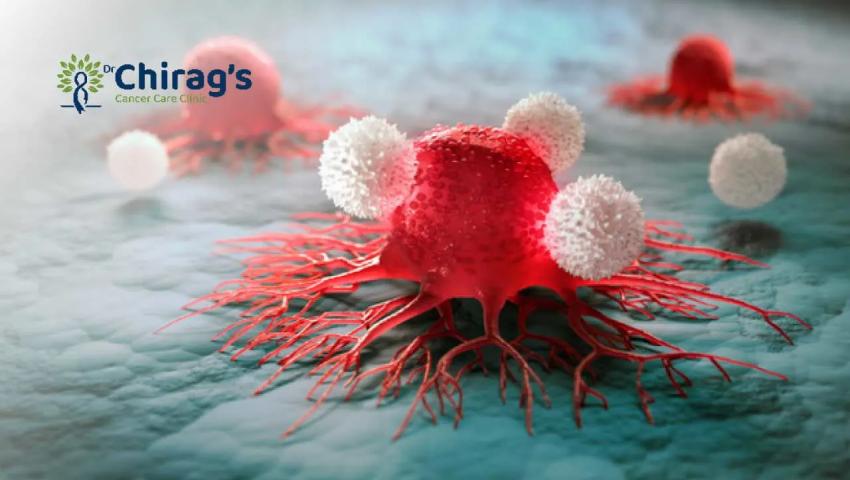
Cancer is a broad term that describes a group of diseases characterised by the uncontrolled growth of abnormal cells. Unlike healthy cells, which grow, divide, and eventually die in an organised way, cancer cells continuously multiply, forming masses known as tumours.
These tumours can either be benign (non-cancerous) or malignant (cancerous). Malignant tumours have the ability to invade nearby tissues and spread throughout the body.
The condition can affect almost any part of the body, from the lungs to the skin, and its progression depends on factors such as genetics, environment, and lifestyle.
How do Cancer Cells Grow and Spread?
- Primary vs. Metastatic Cancer:
A cancer is considered primary cancer when it begins in one location. For example, if cancer originates in the lungs, it is called lung cancer.
However, cancer can sometimes spread to other parts of the body through the bloodstream or lymphatic system—a process known as metastasis. When this happens, the cancer cells establish new tumours in distant organs, and this form is referred to as metastatic cancer. - How Cancer Invades Surrounding Tissue?
Cancer spreads locally by infiltrating nearby tissue. Cancer cells secrete enzymes that break down the barriers supporting healthy tissue, allowing them to invade.
This invasive behaviour is what makes malignant tumours so dangerous, as they damage functioning organs and disrupt bodily processes.
The Science Behind Cancer Transmission:
Now that we understand what cancer is, the next vital question to address is whether it can be passed from one person to another.
Can Cancer Be Contagious?
No, cancer is not contagious in the conventional sense. Unlike infectious diseases caused by bacteria or viruses, cancer develops from genetic changes within a person’s own body.
You cannot “catch” cancer simply by being around someone who has the disease, touching them, or sharing food with them.
What Does Medical Research Say About Cancer Transmission?
- Cases of Cancer in Organ Transplants: One compelling example occurs in rare instances of organ transplantation. If a donor has undiagnosed cancer, there is a small chance that the malignant cells could be transmitted to the recipient. This is not common, thanks to rigorous screening processes designed to ensure the safety of organ recipients.
- Understanding Cancer and Immune Response: Even when cancer cells do enter another person’s body (such as in transplants), the immune system typically recognises these cells as foreign and destroys them. However, individuals with severely compromised immune systems—due to conditions, treatments, or medications—may have a higher risk of complications.

Factors That Can Influence Cancer Spread Between Individuals:
Although cancer itself isn’t contagious, certain associated factors could theoretically play a role in increasing risk.
The Role of Genetics and Inherited Mutations:
Some people inherit genetic mutations from their parents that increase their susceptibility to specific cancers, such as the BRCA1 and BRCA2 genes associated with breast and ovarian cancers. While these mutations are hereditary, they are not “spread” from person to person like an infection.
Cancer and Infections: A Potential Link
1. Viruses That Can Increase Cancer Risk: Interestingly, some viruses have been linked to cancer development. For instance:
- Human Papillomavirus (HPV): A major cause of cervical and throat cancers.
- Hepatitis B and C: These can lead to liver cancer.
- Epstein-Barr Virus (EBV): Associated with certain lymphomas.
Although these viruses can be transmitted from one individual to another via sexual contact or blood exposure, it’s important to note that the viruses themselves, not cancer, are transmitted.
2. Can Cancer Be Spread by Touch or Air?
No, physical touch or breathing the same air as someone with cancer poses absolutely no risk. It’s safe to hug, care for, or simply spend time with someone who has cancer.
Can Cancer Be Spread Through Close Contact or Casual Interaction?
Risk of Cancer Through Social Contact:
There is no evidence to suggest that sharing meals, being in the same room, or even intimate contact can spread cancer.
Unlike infectious diseases, the mechanisms that cause cancer are confined to the internal workings of an individual’s cells.
Myths vs. Facts: Cancer and Transmission
- Not by Kissing or Touching: You’re safe to physically comfort someone.
- Not by Airborne Methods: Cancer cells don’t spread through droplets or aerosols.
- Not Through Food Sharing: Cancer cannot be transferred via utensils or shared food.
Key Takeaways About Cancer and Transmission:
What You Can Do to Protect Yourself from Cancer?
While cancer isn’t something that spreads between individuals, you can take proactive steps to reduce your risk of developing it.
1. Lifestyle Changes for Cancer Prevention:
- Follow a Healthy Diet: Incorporate fruits, vegetables, and whole grains while reducing processed foods.
- Stay Active: Maintain regular exercise to help lower cancer risk.
- Quit Smoking: Tobacco use remains a leading cause of preventable cancer.
2. Regular Screenings and Early Detection: Consult Experts Surgical Oncologist in Pune like Dr. Chirag Bhirud. Routine screenings and professional guidance can help detect cancer in its earliest stages, when it’s most treatable.
Frequently Asked Questions – FAQs:
While there is no foolproof way to prevent cancer, you can decrease your risk by adopting a healthy lifestyle. This includes maintaining a balanced diet rich in fruits, vegetables, and whole grains, staying physically active, avoiding tobacco and excessive alcohol consumption, and getting regular screenings and check-ups.
Yes, routine screenings play a crucial role in the early detection of cancer. Regular screenings, such as mammograms, Pap smears, and colonoscopies, can help identify cancer at its early stages when treatment is most effective.
Supporting someone with cancer means offering emotional support, practical help, and learning about their cancer and treatment. Show empathy, listen, and be there for them, while respecting their boundaries and giving space when needed.
Helping with daily tasks and offering encouragement can go a long way. Cancer support groups are also a valuable resource for both patients and their loved ones.
Cancer can be cured in some cases, especially if caught early on. However, this is not always the case. Treatment options vary depending on the type of cancer and its stage, so it’s essential to consult with a medical professional for personalized guidance and care plan. Even in cases where cancer cannot be cured, treatment can still often prolong life and improve quality of life.
Conclusion:
To answer the question definitively—cancer cannot spread from one person to another. It’s important to support those battling this disease without fear or hesitation and to equip yourself with knowledge to dispel damaging myths.
For reliable cancer care, consider consulting a Cancer Specialist in Pune, like Dr. Chirag Bhirud, who is well-versed in oncology treatments. Prioritise awareness, regular health check-ups, and an informed lifestyle to stay protected and support others.