
- 02/10/2026
- Dr. Chirag Bhirud
- Blog
Neck Dissection Surgery in Head and Neck Cancer Operation: A Comprehensive Patient Guide
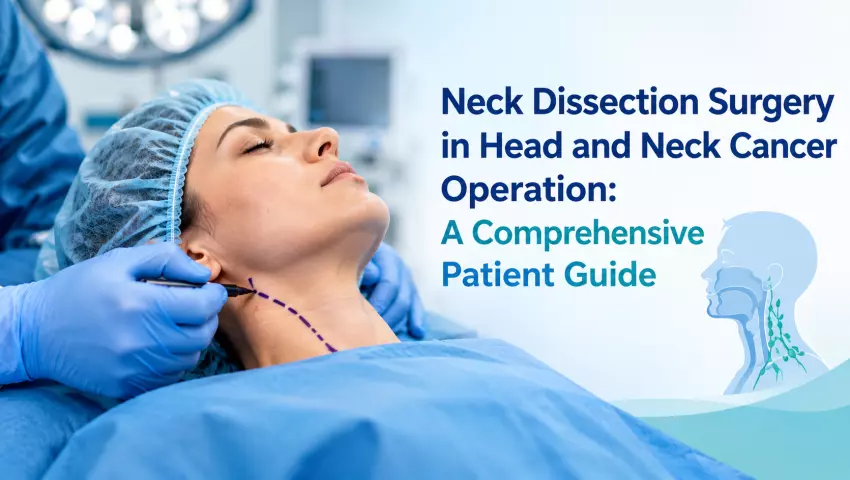
Neck dissection surgery in head and neck cancer is a specialized operation designed to remove cancerous cervical lymph nodes from the neck. Depending on the stage and spread of the disease, procedures range from selective neck dissection to modified radical and radical operations, carefully aiming to balance cancer clearance with nerve and tissue preservation.
Understanding Neck Dissection in Cancer Treatment:
Receiving a diagnosis involving head and neck malignancies brings profound emotional and medical questions. When cancer originates in the oral cavity, larynx, pharynx, or salivary glands, it frequently spreads first to regional lymph nodes in the neck. Performing a timely neck operation is often crucial for staging and controlling local disease progression.
For patients exploring surgical options, understanding the scope of Head and Neck Cancer Surgery Services helps demystify the treatment path. Receiving expert surgical guidance from Dr. Chirag Bhirud ensures that every phase—from initial diagnosis to post-operative rehabilitation—is handled with precision, advanced technique, and deep patient empathy.
Anatomy of the Neck: Why Lymph Node Removal Matters?
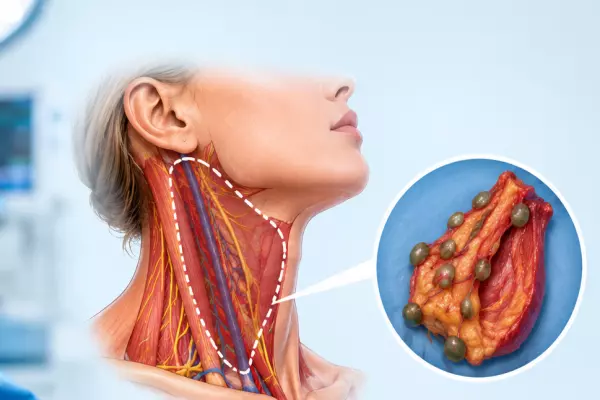
The human neck houses a complex network of lymphatic channels and nodes grouped into specific anatomical boundaries known as levels (Levels I through V). When evaluating a surgical neck region, oncologists look closely at how malignant cells travel through these lymphatic pathways.
- The Spread of Disease: Cancer cells break away from primary tumors and migrate into regional lymph nodes.
- Preventing Metastasis: Cervical lymph node clearance stops cancer from spreading further into distant organs like the lungs or liver.
- Accurate Staging: Examining removed tissue provides exact pathological staging, guiding whether additional therapies are required.
Utilizing advanced insights from Thyroid and Neck Tumor Treatments helps Dr. Chirag Bhirud map out precise surgical margins before entering the operating room.
Major Types of Neck Dissection Surgery:

1. Selective Neck Dissection:
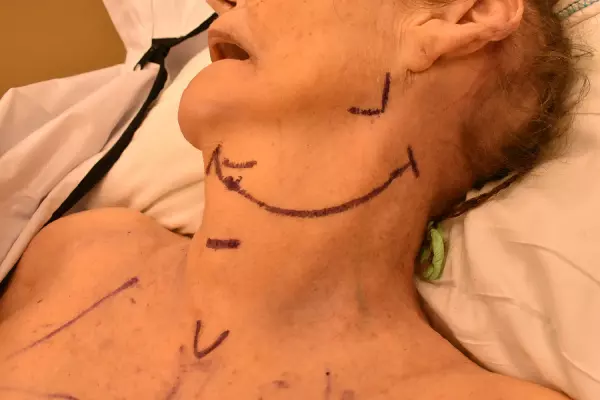
A selective neck dissection removes only specific lymph node levels where cancer is most likely to spread based on the primary tumor's location. This approach is commonly used when lymph nodes show no clinical signs of heavy involvement (clinically N0).
2. Modified Radical Neck Dissection:
A modified radical neck dissection involves removing lymph nodes across multiple levels (usually Levels I through V) while intentionally preserving critical non-lymphatic structures, such as the internal jugular vein, the spinal accessory nerve, or the sternocleidomastoid muscle. Understanding the modified radical neck dissection full form in medical contexts helps patients realize that modern surgery minimizes disfigurement whenever safely possible.
3. Radical Neck Dissection:
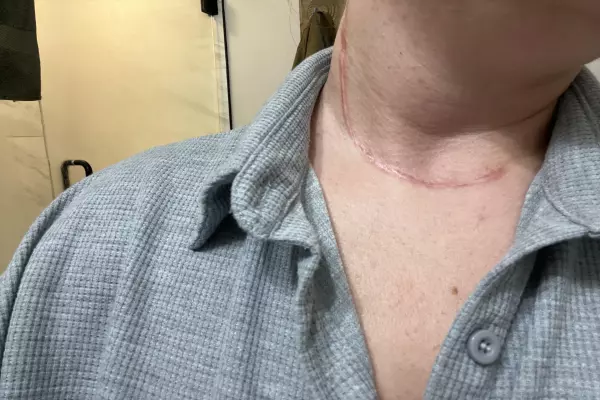
A radical neck dissection is a comprehensive operation where all lymph node groups on one side of the neck are removed, along with the internal jugular vein, spinal accessory nerve, and sternocleidomastoid muscle. This traditional approach is reserved for advanced tumors with extensive local tissue invasion.
Step-by-Step Overview of the Neck Dissection Procedure:
Understanding the actual clinical workflow of a lymph node dissection removes the anxiety of the unknown.
This meticulous approach aligns with principles of Minimally Invasive Head and Neck Surgery, ensuring optimal functional recovery.
Managing Recovery, Drains, and Post-Operative Healing:
Navigating recovery after a neck operation requires patience, proper wound care, and structured physical rehabilitation.
Hospital Stay and Immediate Care:
Most patients remain hospitalized for 2 to 5 days following surgery. Pain is managed effectively through customized intravenous and oral medications administered under close nursing supervision.
Managing Drains and Wound Healing:
During surgery, small silicone suction drains are placed in the neck to prevent blood or lymphatic fluid from building up under the skin.
- Drain Care: Nurses and family members learn how to measure and record fluid output daily.
- Removal: Drains are typically removed within 5 to 10 days once daily fluid output drops below specific clinical thresholds.
Structured Post-Operative Oncology Care protocols ensure that incision sites heal cleanly and safely without infection.
Physical Therapy and Regaining Neck/Shoulder Mobility:
Because neck operations involve deep muscular and nerve pathways, patients often experience temporary stiffness or shoulder weakness. Early physical therapy—focusing on gentle stretching and range-of-motion exercises—helps restore full shoulder and neck function over several weeks.
Potential Side Effects and Nerve Preservation Techniques:
Advances in modern surgical oncology place heavy emphasis on preserving critical nerves and blood vessels whenever oncological safety allows.
- Spinal Accessory Nerve Preservation: Protecting this nerve prevents permanent shoulder drop and severe arm-lifting weakness.
- Facial and Sensory Nerve Care: Surgeons take meticulous care to shield nerves responsible for lower lip movement and skin sensation.
- Temporary Swelling and Numbness: Mild swelling and numbness around the jaw or earlobe are common and generally resolve gradually over a few months.
Conclusion:
Facing head and neck cancer surgery requires courage, trust, and expert medical stewardship. Understanding the nuances of Neck Dissection Surgery in Head and Neck Cancer empowers patients and families to approach their treatment with confidence. For comprehensive evaluations, second opinions, or tailored surgical planning, consulting Dr. Chirag Bhirud ensures compassionate, world-class cancer care.
FAQs About Neck Dissection Surgery in Head and Neck Cancer:
The primary goal of a neck dissection is to remove cancerous lymph nodes from the neck, preventing cancer from spreading to distant parts of the body and providing accurate pathological staging. Dr. Chirag Bhirud customizes the extent of surgery based on each patient’s specific tumor profile.
A selective neck dissection removes only specific lymph node groups at high risk for harbouring cancer. A modified radical dissection removes more extensive node levels while sparing critical nerves and blood vessels, whereas a radical dissection removes all nodal groups alongside certain surrounding muscles and veins when cancer is advanced.
Most patients stay in the hospital for 2 to 5 days. Complete physical recovery, including drain removal and returning to light daily routines, generally takes 3 to 6 weeks under the close guidance of Dr. Chirag Bhirud.
Some temporary stiffness or shoulder weakness is common following surgery, particularly if nearby nerves are manipulated or if a selective or radical approach was required. Physical therapy helps restore full mobility. Dr. Chirag Bhirud employs nerve-sparing techniques whenever possible to protect speech, swallowing, and shoulder function.
Dr. Chirag Bhirud utilizes magnification, specialized surgical instruments, and meticulous anatomical dissection techniques to isolate and preserve vital motor and sensory nerves, minimizing long-term functional side effects.